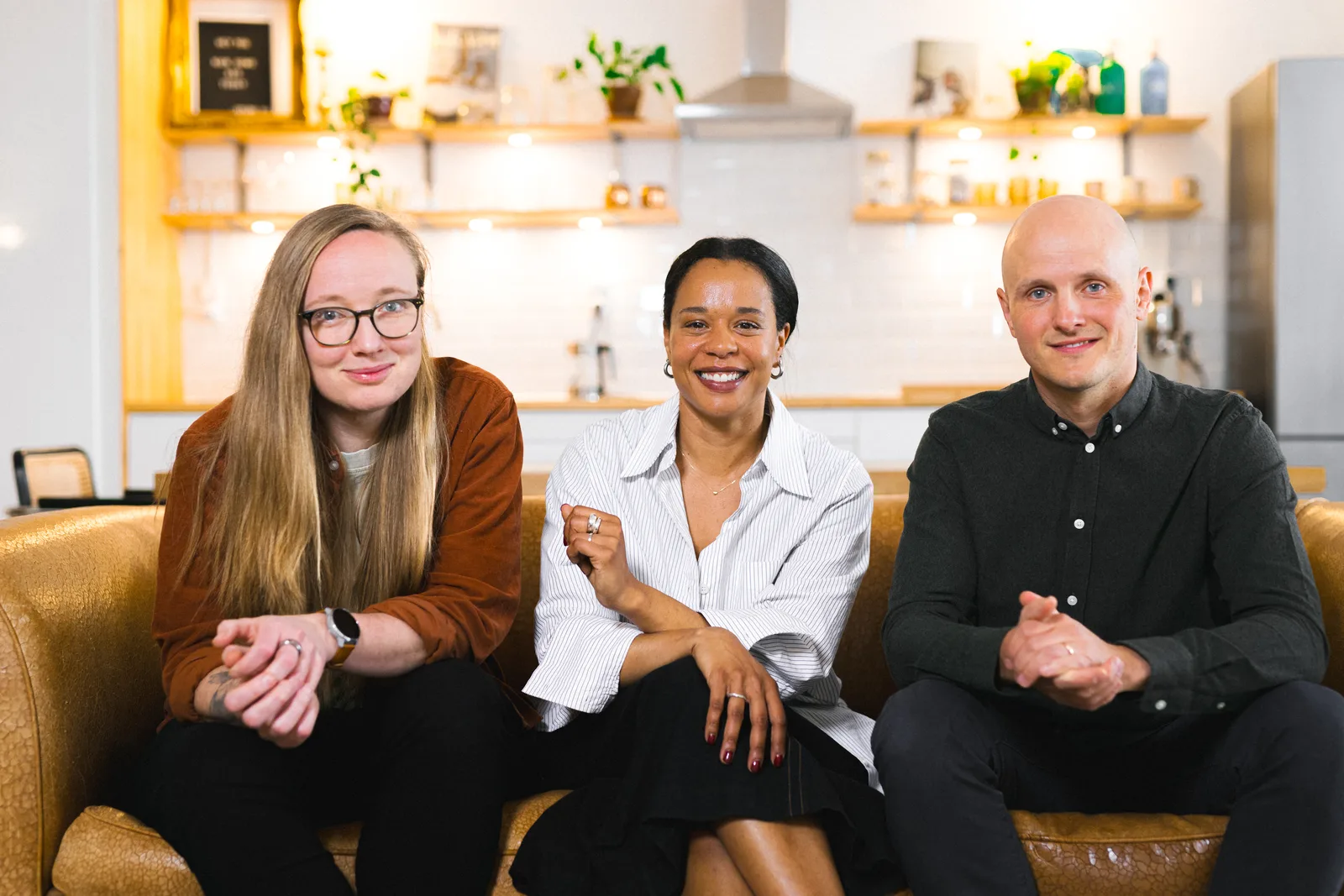
In a city as internationally connected as Barcelona, that impression carries weight. This guide covers what to wear, how to prepare, what a session involves, and how to choose a photographer who'll actually get it right.
Who needs one
A headshot is a tightly framed portrait, usually shoulders up, made to represent you professionally. It goes on LinkedIn, company team pages, press materials, speaker profiles, email signatures, and increasingly on Google Business profiles.
You need a current one if any of these apply:
- You're active on LinkedIn
- Your company has a team page
- You speak at events or conferences
- You're a freelancer or consultant
- You're an executive or senior manager
- Your current photo is more than three years old
The most common mistake is using an old photo, a cropped social snap, or a phone selfie in a professional context. It reads as inattention to detail, which is precisely the opposite of the message you want.
Studio or outdoor?
Both work. Which is right depends on your industry and how you want to be read.
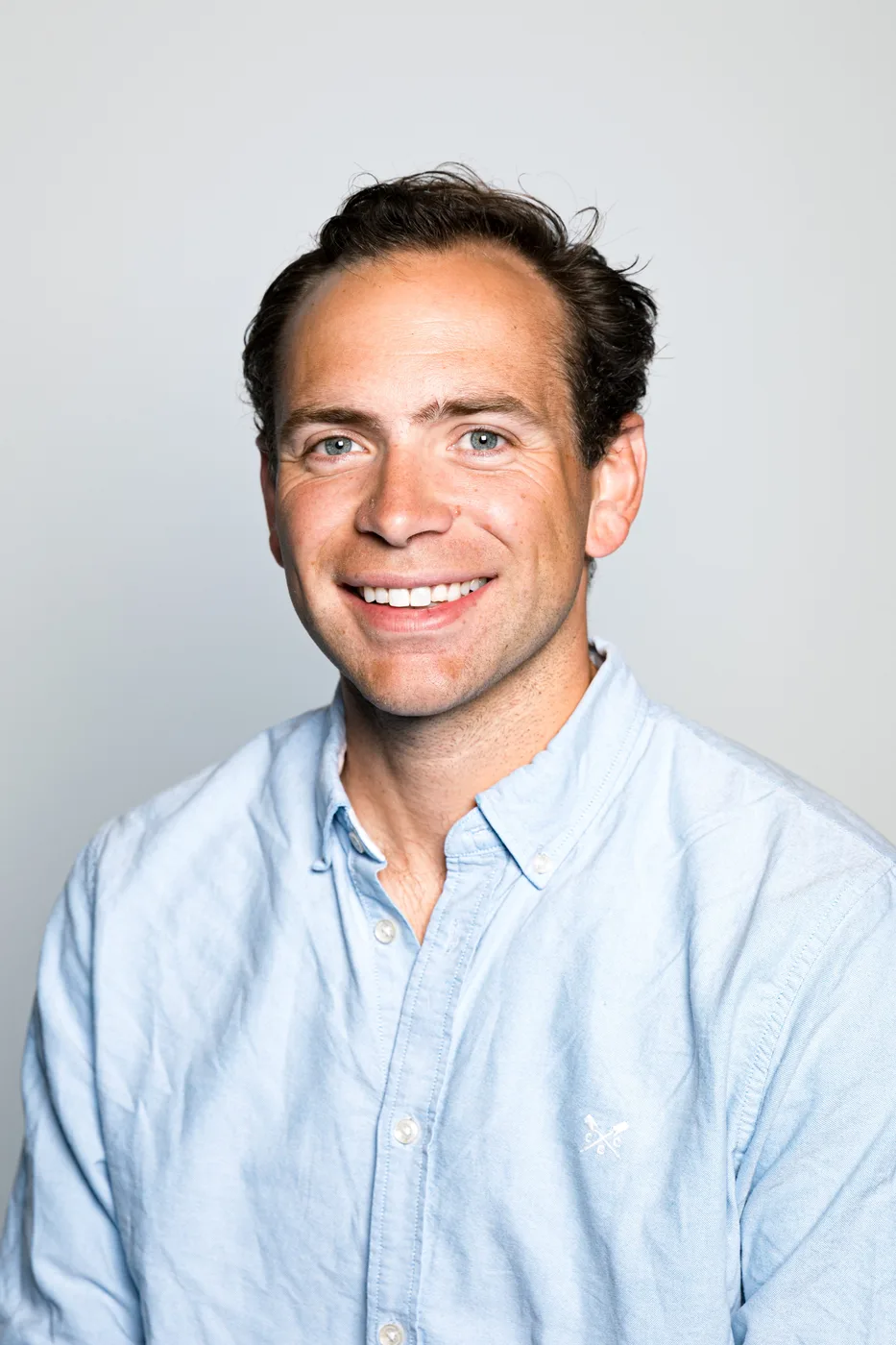
Studio. Clean background, controlled lighting, consistent and polished. It suits lawyers, consultants, executives and anyone who wants a classic, authoritative look. The neutral background is easy to place into any layout without fighting the design.
Outdoor. Natural light, urban or green backgrounds, warmer and more approachable. Better for founders, coaches, speakers and anyone building a personal brand where personality matters more than formality. Barcelona is unusually good for this — the light, the architecture and the sheer variety of settings mean no two sessions look alike.
For most people I'd suggest both in a single sitting. Clean studio frames for LinkedIn and the company site, looser outdoor frames for social and personal branding. It costs nothing extra in time and doubles what you can do with the results.
What to wear
Clothing is the single most underestimated part of a headshot session. The framework:
Solid colours. Busy patterns, stripes and logos pull the eye away from your face. Navy, grey, white, black, burgundy and forest green all photograph well.
Dress one level above your normal work attire. If you usually wear smart casual, come in business casual. You can always present yourself more casually than the photo — you can't do the reverse afterwards.
Avoid pure white next to your face. It washes out skin and creates harsh contrast. Off-white, cream or light grey is kinder.
Bring two or three changes. It costs nothing and dramatically widens the range of usable images you leave with.
Book the haircut a week ahead, not the day before, so it looks like yours. For makeup, go slightly heavier than everyday — cameras soften features.
How long a session takes
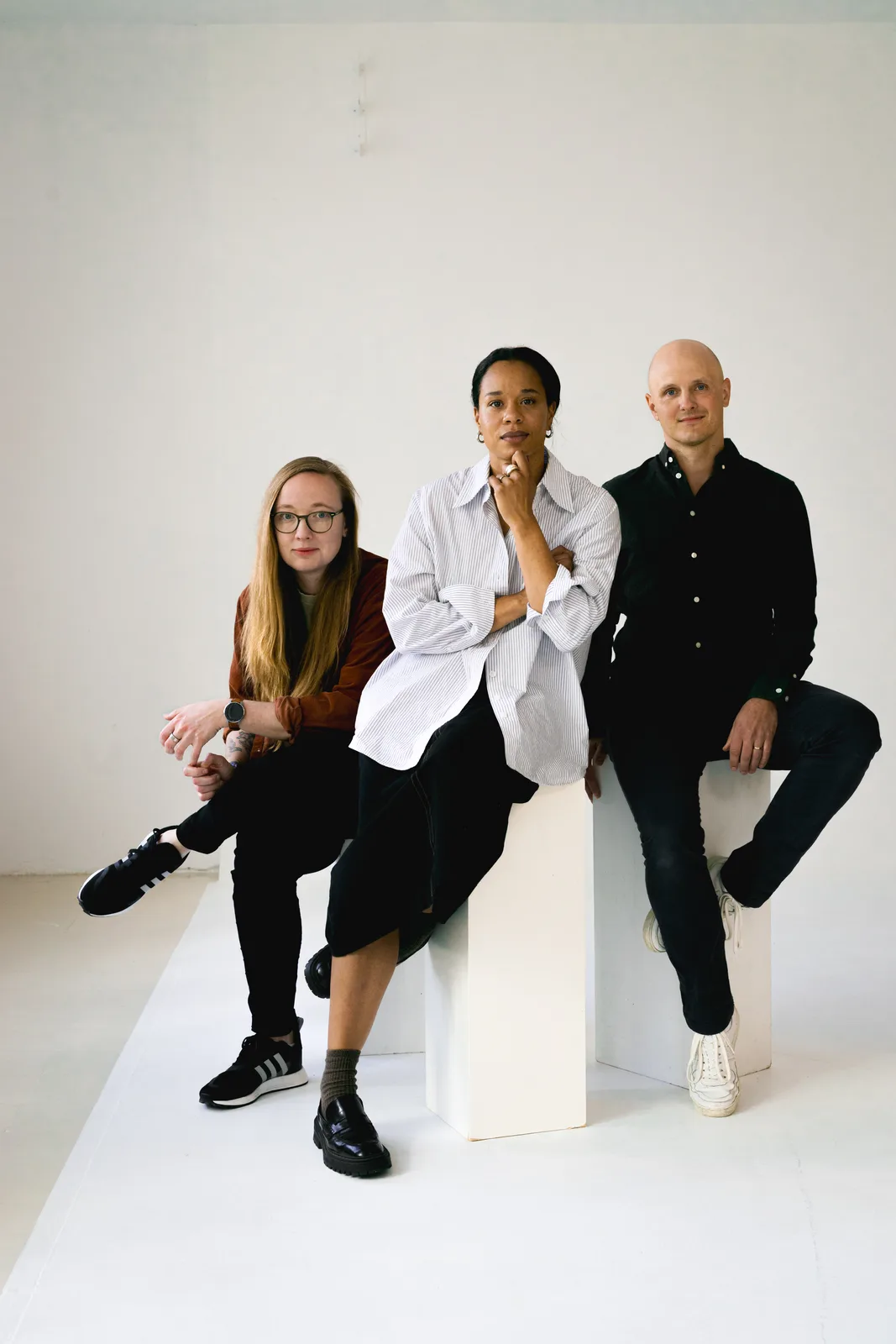
Thirty to sixty minutes for a standard sitting. In that time a good photographer will run several setups — different backgrounds, expressions and crops — so you finish with a real selection rather than three near-identical frames.
A session with me typically includes:
- A short conversation about how you'll use the images
- Two or three lighting and background setups, indoor, outdoor or both
- Outfit changes as needed
- Direction throughout — posture, angle, expression, so you don't have to think about it
- A gallery of edited selects within five to seven working days
Sessions run in studio in Barcelona, or at your office for team days.
What separates a good headshot from a bad one
After several hundred of these, the ones that work share three things.
The eyes are sharp and engaged. Technically they have to be in perfect focus. Beyond that they need to communicate presence — that you're confident, approachable and worth someone's time. That comes from a relaxed room, not from the camera.
The expression is real. The stiff look in a bad headshot comes from self-consciousness. The job is to talk, adjust, keep it moving, and catch the moment the person forgets they're being photographed.
The lighting is deliberate. Flat or harsh light ages a photo instantly. Good headshot lighting is clean and dimensional — it shapes the face without throwing distracting shadows.
Team headshots
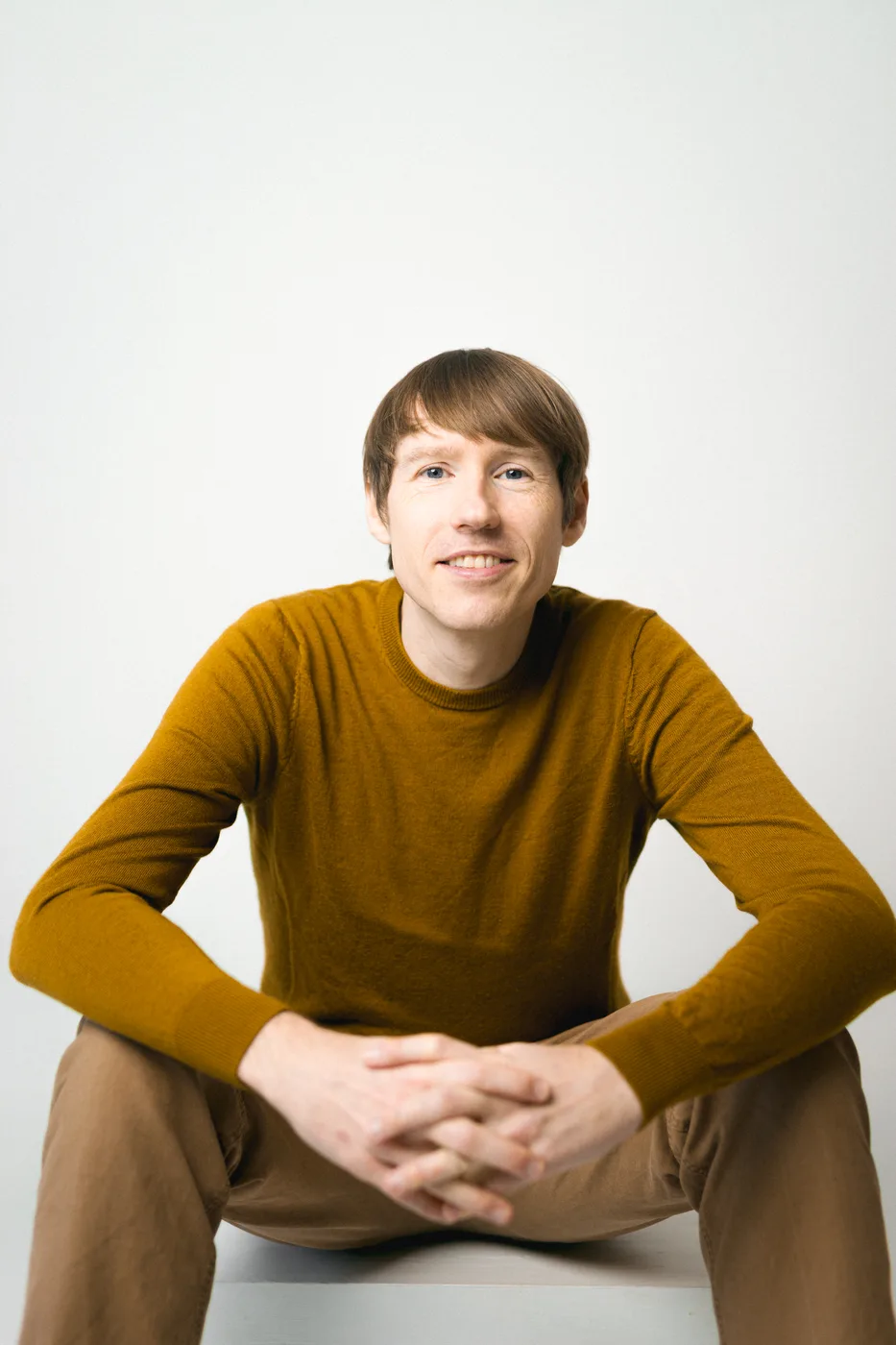
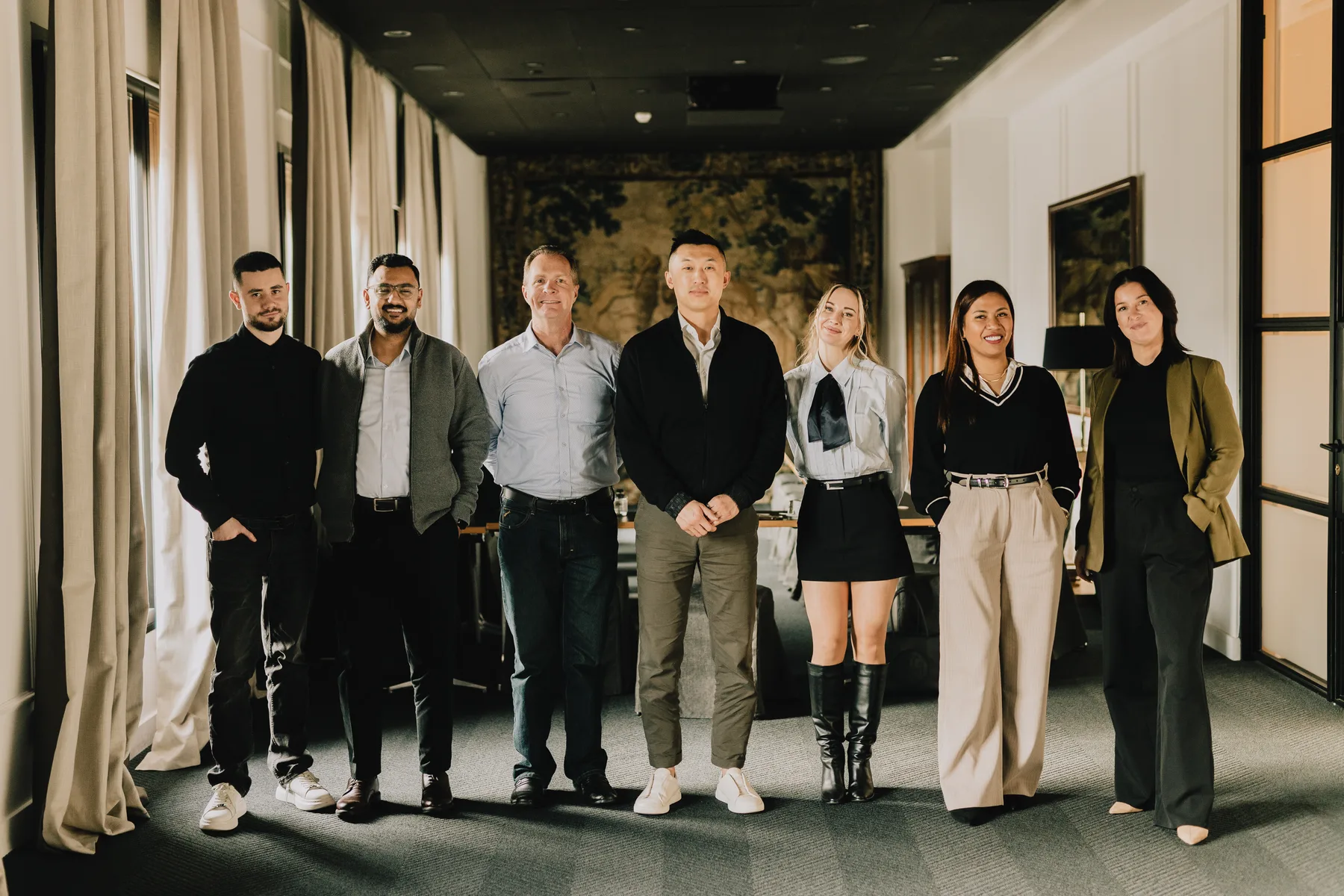
Companies usually need images that look consistent across the whole group — same lighting, same crop, same colour treatment — even when they're shot across several sessions or locations.
For team days I set up on location at your office or a venue of your choosing. It keeps disruption low and produces consistent results across anywhere from five to fifty people.
These are normally booked by HR, marketing or office managers. Three things to coordinate: a clear clothing brief to the team (usually "business casual, solid colours"), a quiet room or corridor with decent natural light, and a schedule allowing ten to fifteen minutes per person.
What headshots cost in Barcelona
Across the city, professional headshots run from around €250 for a simple single sitting up to €500 for extended personal branding sessions with several looks and locations.
My rates: from €300 for an individual session, and €100 per person for teams of ten or more. Both include retouched, web-ready files and full commercial rights.
Choosing a photographer
Look for someone who specialises in professional portraits rather than a wedding or event photographer offering headshots as a sideline. You want a consistent body of work where people look relaxed, well lit and like themselves.
Ask to see examples from your own industry — a headshot that works for an actor is not the one that works for a CFO. Check turnaround time and delivery format: high-resolution files, suitable for web and print, on a stated timeline.
Need headshots in Barcelona?
Individual sittings or a full team day, in studio or at your office. Tell me roughly how many people and when, and I'll come back with a quote within one working day.
Book a sessionPhoto Video Barcelona is a corporate photography and video studio in Barcelona, founded by Riccardo Riccio — trained at the Magnum Agency in Paris, with work published in Vogue, Le Monde and El País.